
Judy Wang
RehabINK Mini Review
Myasthenia Gravis (MG) is a rare chronic autoimmune neuromuscular disorder. MG manifests as unpredictable periods of weakness that worsen with activity and improve with rest (1). Muscle weakness fluctuates minute to minute and can vary in severity day by day. These fluctuations demand constant adaptations to changing energy levels and contribute to feelings of lost control, social isolation, and depression among people living with MG (2,3).

Although the bulk of literature focuses on symptoms relating to visual impairments or generalized body fatigue, bulbar muscles (i.e., muscles involved in speech, swallowing, and breathing) can be affected in over 15% of people (4). However, the true prevalence of bulbar symptoms is likely under-reported due to the disease’s inconsistent presentation, with some studies reporting that up to 90% of people living with the disorder experience speech changes and swallowing difficulties (5).
Bulbar weakness can lead to communication difficulties that limit social connection, respiratory complications that result in emergency hospitalizations, and swallowing impairments that contribute to malnutrition or dehydration (3). Breathing difficulties and swallowing problems are among the most bothersome symptoms reported by people living with MG (6). Yet, current treatments for muscle weakness in MG are largely medication or surgery based, which trigger side effects in over 50% of people and can induce respiratory crisis events requiring hospitalization for acute medical care (7). Effective management of bulbar dysfunction in MG requires treatments that not only superficially reduce symptoms, but also address individualized needs for daily function and standard of living. These factors, combined with the doubling of MG prevalence over the last several decades, sparks a growing demand for reformed care (8).
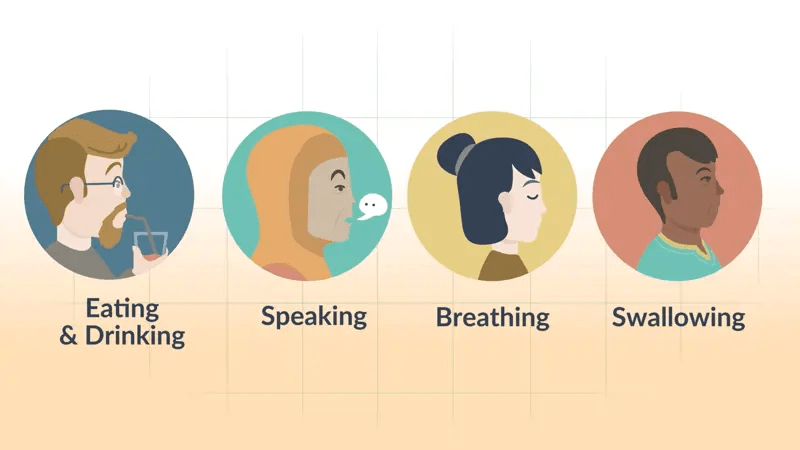
Speech Language Pathologists (SLPs) are specialized therapists in the areas of speech, cognitive-linguistics, and swallowing (9). Although SLPs are routinely involved in the multidisciplinary care of other neurological disorders, such as amyotrophic lateral sclerosis (ALS) and Parkinson’s disease, evidence suggests their expertise is underutilized in MG care (10). This may be due to MG’s ability to mimic other disorders that present with bulbar weakness, such as ALS, leading to misdiagnosis and delays in treatment (4). Improved engagement of SLPs in MG assessment and care can support physicians’ decisions to prevent misdiagnoses, provide personalized treatment plans that enhance satisfaction with care, and overall improve quality of life in this under-recognized population (11).
Currently, published reviews have examined SLP participation in assessing and treating swallowing issues of MG, but there are no studies investigating interventions across SLP’s broad scope of practice (12). Therefore, this review aimed to map the existing research on SLP involvement in MG care across speech, swallowing, and respiration (airway clearance) functions, describe the roles of SLP interventions in managing bulbar symptoms of MG, and identify current barriers to care. The goal of this review is to inform future priorities for research that facilitates SLP integration into the MG care pathway.
Due to a limited body of literature in this area of study, both peer-reviewed databases and grey literature sources such as professional websites, clinical practice guidelines, conference materials, and textbooks were searched to ensure a comprehensive basis of evidence. From 586 primary records identified across MEDLINE, Embase, CENTRAL and CINAHL databases, and 227 records from grey literature, a total of 49 articles (1956-2025) met the inclusion criteria for this review. These articles only considered adult MG and interventions within SLP scope of practice, excluding physiotherapy and intubation.
Techniques within SLP scope of practice to assess and treat MG symptoms
SLP assessments for speech difficulties in MG are largely based on auditory-perceptual speech evaluations via continuous counting tasks, passage reading, and interviews (13-23). Specifically, over half of assessments for speech in MG rely on subjective interpretations of speech fatiguability through characteristics such as breathiness (a “whispery” sounding voice), hyperventilation (rapid deep breathing), and articulatory imprecision (slurred or indistinct sounds) (13-23).
Assessments for swallowing in MG within SLP scope of practice include more objective, tool-based techniques (over 80%), such as fibreoptic evaluations of swallowing (FEES) and modified barium swallows (MBS). FEES uses a thin flexible scope inserted through the nose into the pharynx, while MBS uses an x-ray that can visualize the passage of barium-containing food down a patient’s throat during swallowing. Together, these tools can identify residual food in the swallowing pathway, saliva pooling, and nasal regurgitation (20,21,24-32). Some perceptual assessments, such as bedside swallow assessments, are also common practice, where SLPs use water swallowing and chewing tests to observe choking or incomplete swallows (15,28,33).
For both speech and swallowing concerns in MG, treatments focus on behavioural changes through strategies to improve communication and reduce choking risk, respectively (5,15,18,23-26,29,34-38). Both peer-reviewed and grey literature include suggestions such as speaking slowly, using shorter phrases, and eating smaller meals to reduce fatigue during conversation and mealtimes (5,15,18,23-26,29,34-38).
SLPs were not found to be involved in respiratory assessments for airway clearance in MG, which are under the scope of respirologists assessing pulmonary function. However, regarding intervention, variations of respiratory muscle training within SLP scope of practice can increase muscle strength and lung volume, which is vital to support adequate coughing and prevent choking in participants with mild to moderate MG (39-48). In conjunction with aerobic exercise prescribed by physiotherapists, SLPs can support interval-based respiratory training using a handheld breathing device. Improvements in respiratory strength are observed after approximately three months (39–48). Notably, these muscle-strengthening interventions are delivered alongside standard pharmacological treatments for MG to support strength gains while minimizing the risk of overfatigue (39–48).
Types of studies conducted
The majority of evidence to support SLP services for speech and swallowing in MG consists of professional recommendations, observational studies, and case studies from which intervention effectiveness cannot be determined (13-38). Although higher-quality randomized controlled trials have examined respiration and cough in MG, none explicitly identify SLPs as the clinician performing the treatment, despite these interventions falling within their scope of practice (39–48).
Perception of SLP services
Only two studies investigated patient/provider perspectives on SLP care in MG. From the perspective of healthcare professionals, surveyed neurologists indicate a need for a more multidisciplinary approach to managing swallowing in MG, as care is currently physician-led (24). Similarly, SLP involvement in MG is limited by many barriers. Over half of people living with MG describe a lack of awareness of SLP roles (5). Enhancing knowledge of SLPs’ scope of practice through education represents a critical initial step; however, it does not address all existing challenges (5). One survey found that even after education on SLP services, 40% of participants would still not seek help from an SLP due to clinic accessibility concerns, cost of services, and perceived discord between clinician and patient priorities for care (5).
Implications
This review highlights several key gaps in literature on SLP management of bulbar symptoms of MG. First, there is a need for more objective and accessible alternatives to standardized perceptual assessments. The accuracy of perceptual clinician assessments relies
on individualized training level and accumulated experience, with greater expertise associated with higher judgement reliability and validity (49). This can create variation in clinician assessments and lead to diagnostic delays that hinder timely referrals to care (49).
Secondly, future research should prioritize high-quality randomized controlled trials with measurable outcomes to evaluate the effectiveness of SLP interventions, particularly for speech and swallowing, as current evidence in these areas of bulbar function is largely limited to lower-quality, recommendation-based, or case-based studies. Respiratory muscle training was used to improve coughing strength to expel food during choking, yet treatments suggested to mitigate communication difficulties and choking risk in MG focused mainly on compensatory behavioural changes. Thus, it remains unclear whether muscle-strengthening exercises may be effective in improving speech and swallowing control alongside standard medical treatments, and is another target for future studies.
Finally, integrating patient and provider opinions into the development of interventions can lead to more personalized treatments that address individual needs and bridge the therapeutic discord currently perceived by MG clients. Care for complex neuromuscular disorders such as MG is multidisciplinary and involves a team of professionals. Addressing the issues highlighted in this review can provide clearer definitions of SLP scope in the context of MG and support improvements in bulbar symptoms across key aspects of daily functioning.
References
References
- National Institute of Neurological Disorders and Stroke. Myasthenia gravis [Internet]. http://www.ninds.nih.gov. 2024. Available from: https://www.ninds.nih.gov/health-information/disorders/myasthenia-gravis
- Jaretzki A, Barohn RJ, Ernstoff RM, Kaminski HJ, Keesey JC, Penn AS, et al. Myasthenia gravis: Recommendations for clinical research standards. Neurology. 2000 Jul 12;55(1):16–23.
- Hartford CA, Sherman SA, Karantzoulis S, Guillemin I, Phinney MG, Kelly KL, et al. Experience of Daily Life with Generalized Myasthenia Gravis: A Qualitative Investigation and Assessment of Instrument Content Validity. Neurology and Therapy. 2023 Sep 25;12(6):2079–99.
- Basiri K, Ansari B, Okhovat A. Life-threatening misdiagnosis of bulbar onset myasthenia gravis as a motor neuron disease: How much can one rely on exaggerated deep tendon reflexes. Advanced Biomedical Research. 2015;4(1):58.
- Shrubsole K, Davies C, Williams KL. Do people with Myasthenia Gravis need speech-language pathology services? A national survey of consumers’ experiences and perspectives. International Journal of Speech-Language Pathology. 2021 Aug 15;1–12.
- Jackson K, Parthan A, Lauher-Charest M, Broderick L, Law N, Barnett C. Understanding the Symptom Burden and Impact of Myasthenia Gravis from the Patient’s Perspective: A Qualitative Study. Neurology and Therapy. 2022 Nov 2;12(1):107–28.
- Anderson A, Pesa J, Choudhry Z, Brethenoux C, Furey P, Jackson L, et al. Patient perceptions of disease burden and treatment of myasthenia gravis based on sentiment analysis of digital conversations. Scientific Reports. 2024 Mar 27;14(1).
- Salari N, Fatahi B, Bartina Y, Kazeminia M, Fatahian R, Mohammadi P, et al. Global prevalence of myasthenia gravis and the effectiveness of common drugs in its treatment: a systematic review and meta-analysis. Journal of Translational Medicine. 2021 Dec;19(1).
- American Speech-Language-Hearing Association. Scope of Practice in Speech- Language Pathology [Internet]. American Speech-Language-Hearing Association. 2016. Available from: https://www.asha.org/policy/SP2016-00343/
- Knuijt S, Kalf JG, de Swart BJM, Drost G, Hendricks HT, Geurts ACH, et al. Dysarthria and dysphagia are highly prevalent among various types of neuromuscular diseases. Disability and Rehabilitation. 2013 Oct 23;36(15):1285–9.
- Patient Safety and the SLP [Internet]. Asha.org. 2025. Available from: https://www.asha.org/slp/healthcare/patientsafety/
- Ferrara F, De Berardinis F. Pharmacological and speech-language pathology management of dysphagia in patients with myasthenia gravis. Naunyn-Schmiedeberg’s archives of pharmacology. 2026 Dec;10.1007/s00210-02504952-9.
- Plewa W. Zur sprachärztlichen Diagnose der Myasthenia gravis pseudoparalytica. Archiv für Ohren- Nasen- und Kehlkopfheilkunde. 1956 Nov;169(2):546–8.
- Aronson AE. Early Motor Unit Disease Masquerading as Psychogenic Breathy Dysphonia: A Clinical Case Presentation. Journal of Speech and Hearing Disorders. 1971 Feb;36(1):115–24.
- H.J.G.H. Oosterhuis. Myasthenia Gravis. Garland Science eBooks. 2018.
- Wenke R, Goozee JV, Murdoch BE, Lapointe LL. Dynamic assessment of articulation during lingual fatigue in myasthenia gravis. Journal of Medical Speech-language Pathology. 2006 Mar;14(1):13–31.
- Mcneil MR. Clinical management of sensorimotor speech disorders. New York: Thieme; 2009.
- Boone DR. The voice and voice therapy. Pearson Education; 2010.
- Nelke C, Labeit B, Meuth SG, Warnecke T, Dziewas R, Ruck T. Bilateral Vocal Fold Paralysis in Myasthenia Gravis: A Case Report and Literature Review. Frontiers in Neurology. 2020 Oct 15;11.
- Blake ML. Clinical neuroscience for communication disorders: neuroanatomy and neurophysiology. Plural Publishing, Inc; 2023.
- Mishra RK, Yildiz PI, Enriquez A, Stafstrom CL, Sheitman Z, et al. Development and feasibility assessment of a multi-modal digital health technology for remote monitoring of symptoms in myasthenia gravis [Accepted manuscript]. Karger: Digital Biomarkers. 2025.
- Mangrio SM, Faisal S, Malik Z, Naeem A, Saeed U. Unilateral Ptosis and Bulbar Symptoms as the Initial Presentation of Late-Onset Acetylcholine Receptor Antibody- Positive Myasthenia Gravis Mimicking Acute Ischemic Stroke in an 82-Year-Old Man. Cureus. 2025 Dec 22;
- Nozaki S, Ichihara N, Yuasa T. Management for dysphagia in patients with intractable neurological disorders: The current state and the ward of neurology in national hospitals. Japanese Journal of National Medical Services. 2003 Oct;57(10):610–4.
- Sebastian S, Nair PG, Thomas P, Tyagi AK. Oropharyngeal Dysphagia: Neurogenic Etiology and Manifestation. Indian Journal of Otolaryngology and Head & Neck Surgery. 2015 Mar;67(S1):119–23.
- MG Brochures Archive | Myasthenia Gravis Foundation of America [Internet]. Myasthenia Gravis Foundation of America. 2024. Available from: https://myasthenia.org/understanding-mg/learn-more-about-mg-treatments/mg-brochures/
- Susyana Tamin, Devianty Octavia. Discrepant Results of Flexible Endoscopic Evaluation of Swallowing (FEES) and Videofluoroscopy Swallowing Study (VFSS) in Myasthenia Gravis’ Patient. Jurnal Profesi Medika Jurnal Kedokteran dan Kesehatan. 2024 Jun 15;18(1):100–5.
- Koopman WJ, Wiebe S, Colton-Hudson A, Moosa T, Smith D, Bach D, et al. Prediction of aspiration in myasthenia gravis. Muscle & Nerve. 2004;29(2):256–60.
- Venna N, Gonzalez RG, Zukerberg LR. Case 39-2011. The New England Journal of Medicine. 2011 Dec 22;365(25):2413–22.
- Rosenbek J, Troche MS. Principles of deglutition: a multidisciplinary text for swallowing and its disorders. Springer New York; 2013.
- Double-Seronegative Myasthenia Gravis (MG) in a Patient Presenting with Chronic Dysphagia: A Case Report – PM&R Meeting Abstracts. PM&R Meeting Abstracts. 2020
- Chandna S, Shah M, Agrawal A. CAN’T SWALLOW, CAN’T SPEAK. MYASTHENIA MADE ME WEAK. Chest. 2020 Oct;158(4):A2595.
- Sariaslani P, Homagostar G, Mohammadi H. Dysphagia as a main symptom of myasthenia gravis in a middleaged adult male: a case report. Journal of Rehabilitation Sciences and Research. 2023.
- deSwart BJM, Padberg GW, van Engelen BGM. Less is more: treatment of aggravating behaviour in myasthenia gravis patients with dysphagia. European Journal of Neurology [Internet]. 2002 Jul;9:687–702.
- Tips for Eating with Myasthenia Gravis (MG) [Internet]. Conquer Myasthenia Gravis. Available from: https://myastheniagravis.org/life-with-mg/tips-for-eating/
- SALT [Internet]. Myaware. 2017. Available from: https://www.myaware.org/salt
- Resources | Myasthenia Gravis Association of Queensland Inc. [Internet]. Mgaq.org.au. 2023. Available from: https://mgaq.org.au/resources
- Bloom B. A Case-Based Approach to Teaching Evidence-Based Practice and Motor Speech Disorders. Contemporary Issues in Communication Science and Disorders. 2010 Oct;37(Fall):123–30.
- Weiner P, Gross D, Meiner Z, Ganem R, Weiner M, Zamir D, et al. Respiratory Muscle Training in Patients With Moderate to Severe Myasthenia Gravis. Canadian Journal of Neurological Sciences / Journal Canadien des Sciences Neurologiques. 1998 Aug;25(3):236–41.
- Hsu CW, Lin HC, Tsai WC, Lai YR, Huang CC, Su YJ, et al. Respiratory Muscle Training Improves Functional Outcomes and Reduces Fatigue in Patients with Myasthenia Gravis: A Single-Center Hospital-Based Prospective Study. BioMed Research International. 2020 Mar 21;1–8.
- Kuppuswamy P, Chaganti YSR, Hari P, Mothilal. Aerobic exercise and preoperative respiratory muscle training improve respiratory vital capacity and everyday activity after surgical treatment for myasthenia gravis. Journal of Cardiovascular Disease Research. 2023 Oct 6;14(10).
- Chen S, Li X, Wu Y, Li Y, Cao P, Yin Y, et al. Preoperative respiratory muscle training combined with aerobic exercise improves respiratory vital capacity and daily life activity following surgical treatment for myasthenia gravis. Journal of Cardiothoracic Surgery. 2023 Apr 24;18(1).
- Fregonezi GA de F, Resqueti VR, Güell R, Pradas J, Casan P. Effects of 8-week, interval-based inspiratory muscle training and breathing retraining in patients with generalized myasthenia gravis. Chest. 2005 Sep 1;128(3):1524–30.
- Rassler B, Hallebach G, Kalischewski P, Baumann I, Schauer J, Spengler CM. The effect of respiratory muscle endurance training in patients with myasthenia gravis. Neuromuscular Disorders. 2007 May;17(5):385–91.
- Rassler B, Marx G, Hallebach S, Kalischewski P, Baumann I. Long-Term Respiratory Muscle Endurance Training in Patients with Myasthenia Gravis: First Results after Four Months of Training. Autoimmune Diseases. 2011;2011:1–7.
- Rassler B, Hallebach S, Freitag S, Baumann I, Kalischewski P. Long-term respiratory muscle endurance training in patients with myasthenia gravis. Acta Physiologica. 2014 Mar;210:82–228.
- Freitag S, Hallebach S, Baumann I, Kalischewski P, Rassler B. Effects of long-term respiratory muscle endurance training on respiratory and functional outcomes in patients with Myasthenia gravis. Respiratory Medicine. 2018 Nov;144:7–15.
- Chang CL, Fang TP, Tsai HM, Chen HC, Liu SF, Lin HL, et al. Inspiratory muscle training and aerobic exercise for respiratory muscle strength in myasthenia gravis post- hospitalization- a randomized controlled trial. BMC Pulmonary Medicine. 2025 May 27;25(1).
- Wang Z, Wei Y, Yu WS, Lee KYS, Tong MCF, Law T. Factors Influencing the Reliability of Auditory-Perceptual Evaluation of Voice: A Scoping Review. Journal of Voice. 2025 Jun;1997(25)00206-1
 rehabINK | A world of rehabilitation research, practice, and advocacy